Delve Into the Domain of Fair Trade Tea: Outstanding Brews That Enable Sustainable Practices
Fair Trade tea forms a seamless integration of quality and ethics. Each cup presents a unique flavor experience while advancing environmentally responsible agricultural methods. This tactic not only enriches the tea satisfaction but also empowers marginalized farmers. Investigating its beginnings and authentication procedures exposes deeper dimensions of value. As patrons become more mindful of their selections, the impact of Fair Trade tea surpasses taste. What dwells beneath the surface of these choices?
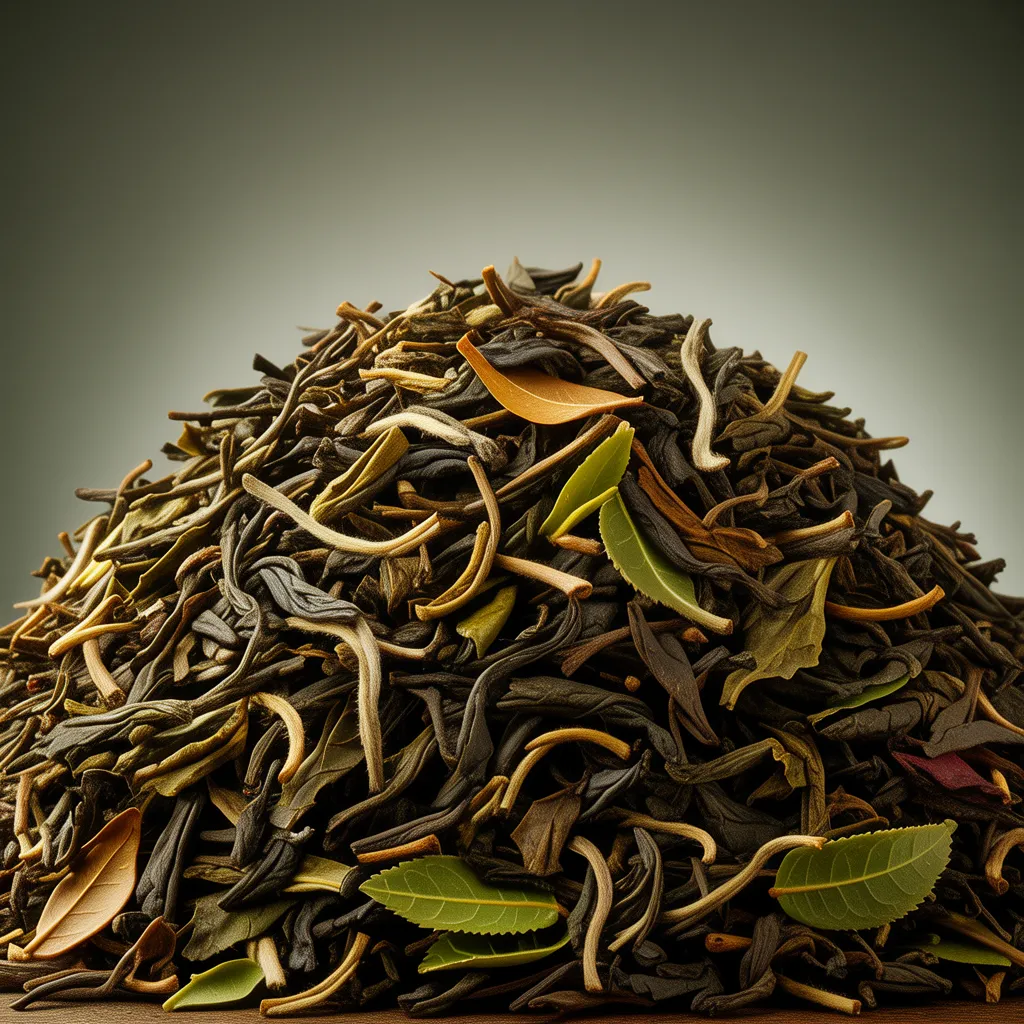
Find Out the Foundations of Fair Trade Tea
Fair Trade tea is grounded in the social and economic movements intended to improve the wellbeing of excluded farmers. Emerging in the late 20th century, this scheme sought to address inequities in worldwide trade, particularly in emerging nations where tea is frequently cultivated. The movement gained traction as consumers became increasingly mindful of the harsh truths faced by independent cultivators, including unfair pricing and exploitation by major conglomerates.
Through collaborative partnerships, Fair Trade aimed to strengthen these farmers, guaranteeing they obtained fair compensation and support for sustainable farming practices. The movement also concentrated on promoting ecological stewardship, promoting organic farming and biodiversity. As knowledge increased, Fair Trade tea turned into a symbol of responsible purchasing, connecting consumers directly with the origins of their beverages. By choosing Fair Trade tea, individuals contribute to a larger vision of social justice and economic equity, fostering a more sustainable future for tea-growing communities.
Explore fair commerce standards for sustainable practices
Comprehending Fair Trade certification is crucial to recognizing how sustainable practices are upheld within the tea industry. This certification ensures that producers receive fair wages and work under safe conditions, which directly leads to community development. Fair Trade standards encourage environmentally sustainable farming methods, reducing the use of harmful chemicals and encouraging biodiversity.
Certification encourages transparency in the supply chain, enabling consumers to trace their tea back to its source. By adhering to these guidelines, farms engage in practices that protect environmental assets and sustain local environments. Additionally, Fair Trade groups often offer educational resources and instruction to agricultural producers, empowering them to enhance their production methods and financial security.
In the final analysis, Fair Trade certification improves the standard of tea while aligning purchasing choices with principled and eco-conscious values, establishing it as an essential feature of the tea industry's devotion to social accountability and ecological stewardship.
Discover Best Types of Fair Trade Tea
While many tea enthusiasts appreciate the robust taste and aroma of countless tea blends, exploring the top categories of Fair Trade tea uncovers a more earnest devotion to responsible farming and planet-friendly methods. Some popular options present Fair Trade Assam, distinguished by its intense, malt-forward notes, and Fair Trade Darjeeling, often known as the "Champagne of teas" for its delicate floral notes. Another notable variety is Fair Trade Earl Grey, seasoned with bergamot, offering a distinctive citrus character.
In addition, Fair Trade Green Tea, recognized for its invigorating qualities and health benefits, is increasingly embraced among health-conscious consumers. Herbal blends, such as Fair Trade Chamomile and Peppermint, also stand out, providing soothing and calming effects. Each of these varieties not only delivers exceptional flavor but also backs farmers and communities working for better livelihoods, making them a responsible choice for tea lovers seeking quality and ethical assurance.
Brewing Fair Trade Tea: Recommendations for a Exceptional Cup
To make the perfect cup of Fair Trade tea, focus is vital, as the right methods can highlight the tea's unique aromas and scents. The first step is that water quality is key; using clean water ensures a crisp taste that allows the tea's qualities to stand out. Also, the water temperature is critical; tea types require precise temperatures; boiling temperature is used for black tea and green or herbal teas are brewed cooler.
Subsequently, the brewing duration must be carefully followed. Excessive steeping can lead to a bitter taste, while insufficient steeping may not extract the complete flavor spectrum. A standard recommendation is 3-5 minutes for black tea and 2-3 minutes for green tea.
Ultimately, using the appropriate tea-to-water ratio boosts the flavor; one teaspoon of loose tea per cup is a excellent beginning. By following these recommendations, tea enthusiasts can fully appreciate the extensive variety of Fair Trade tea.
Ecological Perks of Ethical Tea
Brewing Fair Trade tea not only elevates the tea encounter but also backs eco-friendly farming methods that benefit the ecosystem. Fair Trade accreditation encourages farmers to use natural cultivation techniques, which minimize the reliance on damaging chemicals and synthetic inputs. This approach fosters biodiversity, helping to preserve local ecosystems and protect animal sanctuaries.
Moreover, Fair Trade practices often underscore soil health and water conservation, ensuring that tea cultivation does not exhaust essential resources. By helping small-scale farmers, Fair Trade also promotes agroforestry, which integrates tea cultivation with other crops and trees, further enhancing environmental resilience.
Furthermore, Fair Trade tea often involves environmentally friendly packaging and delivery systems, lowering the greenhouse gas emissions associated with its delivery. Ultimately, choosing Fair Trade tea demonstrates a deliberate commitment to foster a more sustainable farming approach that honors both the Earth and its inhabitants.

Your Tea Preference Helps Uplift Global Populations
Embracing Fair Trade tea aids societies worldwide by granting farmers with reasonable pay and superior labor practices. This commitment assures that tea makers can sustain their livelihoods while investing in their kin and local economies. By obtaining Fair Trade tea, patrons facilitate the establishment of necessary local services, including education and medical care.
Fair Trade certification encourages responsible conduct, demanding companies to adhere to guidelines that prioritize workers' rights and environmental sustainability. review now As a result, farmers are incentivized to cultivate high-quality tea, which not just improves their income but also creates satisfaction in their craft.
Moreover, the direct trade relationships established through Fair Trade abolish oppressive middlemen, giving farmers to partner with patrons worldwide. This visibility cultivates trust and motivates a global appreciation for the cultural meaning of tea. Ultimately, each cup of Fair Trade tea represents a wake-up call of the meaningful change individuals can have on global communities through mindful consumption.
Often Asked Questions
What Ways Can Help Me Spot Fair Trade Tea Items When Purchasing?
To discover sustainably produced tea options in stores, one should look for verified badges, such as Fair Trade Certified or Rainforest Alliance. Additionally, exploring brands focused on fair practices can enable making informed choices.
What Medical Advantages Are Linked to Fair Trade Tea?
Fair trade tea can provide numerous health advantages, such as antioxidants that enhance cardiovascular health, better digestion, and improved mental focus. Moreover, ethical procurement methods encourage sustainable agricultural practices, helping create a more vibrant environment and stronger community health.
How Can I Locate Ethically Sourced Tea in Online Marketplaces?
Yes, fair trade tea is widely available in online marketplaces. Several businesses offer a variety of varieties and types, verifying purchasers can straightforwardly obtain morally sound products that copyright both ecological balance and just compensation practices.
How Does Fair Trade Tea Shape Community Economies?
Fair trade tea benefits local economies by providing farmers with fair wages, promoting community advancement, and supporting sustainable agricultural methods. This support uplifts living conditions, promotes economic stability, and empowers communities to invest in education and healthcare.
What Techniques Should I Utilize to Maintain Fair Trade Tea for Optimal Freshness?
To enhance freshness, fair trade tea should be kept in an airtight container, away from pungent smells, humidity, and light. Keeping it in a dark, cool location helps protect its aroma and flavor over time.